
Industrial Livestock's Environmental Footprint Keeps Growing Despite Decades of Warnings
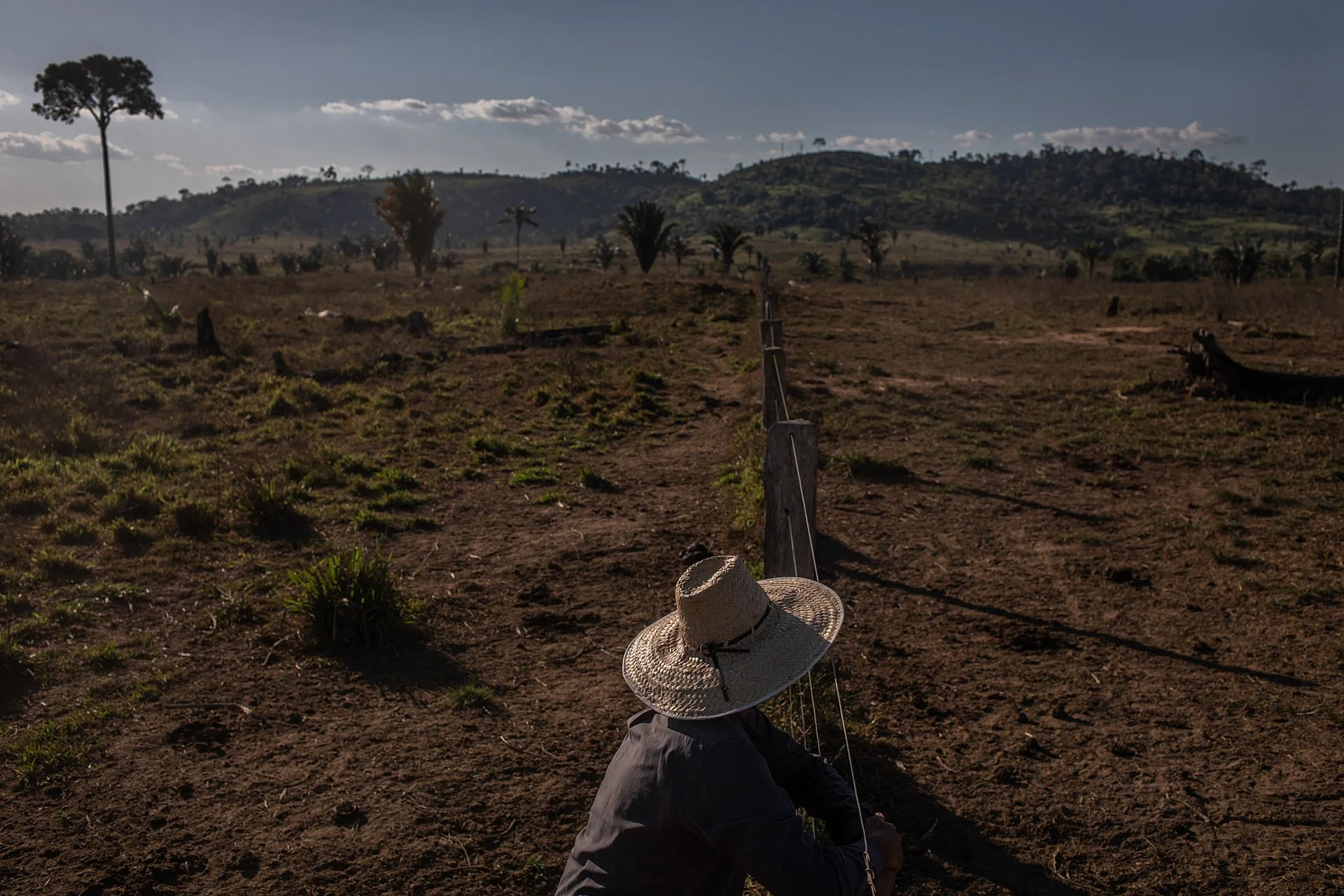
Brazil’s Amazon rainforest / We Animals
A new report from the Stop Financing Factory Farming (S3F) coalition finds that the environmental footprint of industrial livestock has continued to grow over the past two decades, despite repeated warnings about its impacts on climate, biodiversity and natural resources. The report also identifies the policy and financing changes needed to reverse this trend.
Twenty years ago, the UN Food and Agriculture Organization's Livestock's Long Shadow changed the global conversation about livestock's environmental impacts. The new report revisits those findings and concludes that, while awareness has increased, the environmental pressures associated with industrial livestock production have continued to intensify.
As Merel van der Mark, Head of Animal Welfare and Finance at Sinergia Animal, explains: "To achieve an equal and habitable world, the authors call for profound changes including diets with less meat. This means a shift away from industrial livestock production, which multilateral development banks must support by stopping financing factory farming and instead aligning their financial flows with a more sustainable world."
The Current State of the Livestock Sector
Instead of heeding the warnings of 2006, global policies have allowed industrial animal agriculture to expand dramatically. The S3F report reveals a staggering 53% increase in the annual number of mammals and poultry farmed worldwide over the last two decades.
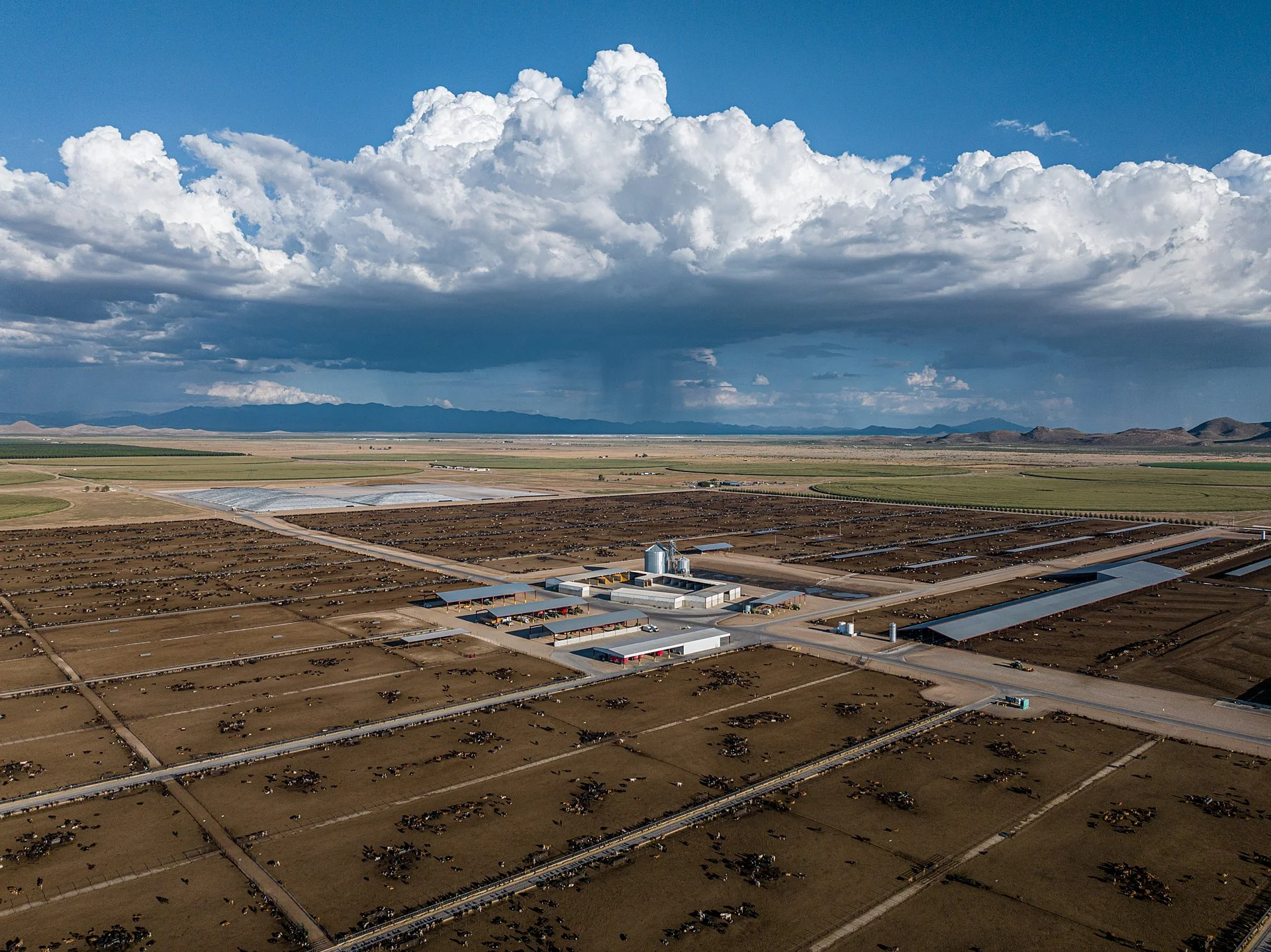
Dairy farm / We Animals
The Heavy Cost to Our Planet
The environmental impact of raising animals for food at such a massive scale touches every corner of our natural world, from the air we breathe to the forests that sustain global ecosystems.
Accelerating Greenhouse Gas Emissions
Climate scientists are clear on what needs to happen to stabilize our planet's climate. According to a 2024 Harvard survey of 200 climate experts, livestock emissions must drop by 50% by 2030 to meet the World Bank’s target of net-zero food emissions by 2050. Tragically, we are heading in the wrong direction: between 2001 and 2023, livestock greenhouse gas emissions actually grew by 22%.
Deforestation and Biodiversity Loss
Our planet's forests are its lungs, yet they are being cleared at an alarming rate. Agriculture, specifically the clearing of land for cattle grazing and feed crops, accounts for 70% to 80% of tropical deforestation.
The Inefficiency of Land and Resource Use
When we look at how we use our land, the imbalance becomes starkly clear. Animals currently use 80% of global farmland, yet they produce just 18% of the world’s calories and 37% of its total protein.
Globally, around 1,000 million hectares of agricultural land are now degraded.
Pesticide use has doubled since 1990.
Farmed animals are responsible for roughly one-third of global nitrogen emissions.

Peter Stevenson OBE, Chief Policy Adviser at Compassion in World Farming, said: “We should move to forms of farming such as agroecology that minimize the use of synthetic fertilizers and chemical pesticides. Such nature-based farming can restore biodiversity, build soil quality, conserve water, and store carbon while boosting crop yields and the incomes and livelihoods of smallholder farmers.”
A Hopeful Path Forward
The data may seem daunting, but it also serves as a powerful map pointing us toward a better way. Transforming our food systems will require more than individual choices. It also depends on governments and financial institutions supporting sustainable agriculture instead of industrial livestock production.
To help make this transition possible, the S3F report outlines several key actions:
Embracing Agroecology: Restore soil quality, conserve water, and store carbon.
Shifting Our Diets: Embrace vibrant, nutrient-dense plant-based diets.
Policy and Economic Reform: Repurpose harmful agricultural subsidies.
