
Cage-Free Egg Production and Food Safety: What Recent Studies Show
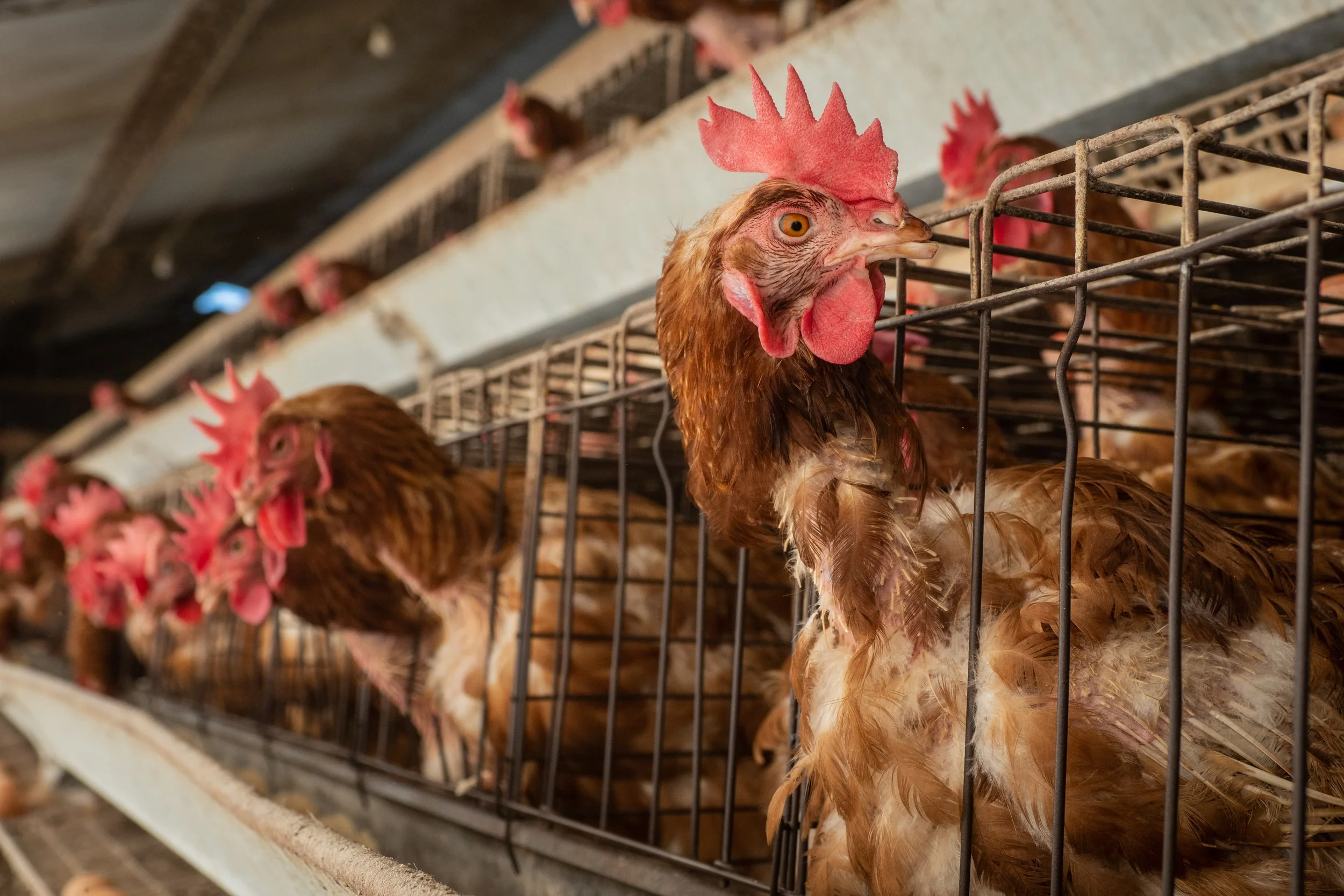
Laying hens in an egg farm in Argentina
Food safety is one of the main topics discussed when comparing cage and cage-free egg production systems. Questions about Salmonella contamination are especially common as more companies and institutions move toward cage-free sourcing.
Current scientific evidence suggests that food safety outcomes depend less on whether hens are housed in cages or cage-free systems and more on factors such as biosecurity, hygiene, vaccination, and farm management practices.
The European Food Safety Authority’s 2019 report — which continues to be the world’s largest and one of the most reliable studies comparing egg production systems — concluded that cage systems have a higher prevalence of Salmonella than cage-free systems. This is particularly relevant because Salmonella remains one of the leading causes of foodborne illness worldwide. According to the World Health Organization, non-typhoidal Salmonella causes approximately 93.8 million cases of acute gastroenteritis and 155,000 deaths globally each year.
At the same time, scientists emphasize that Salmonella occurrence is multifactorial. Reviews of the scientific literature have concluded that moving from conventional cages to cage-free systems is unlikely to increase Salmonella infections when proper management and biosecurity measures are in place.
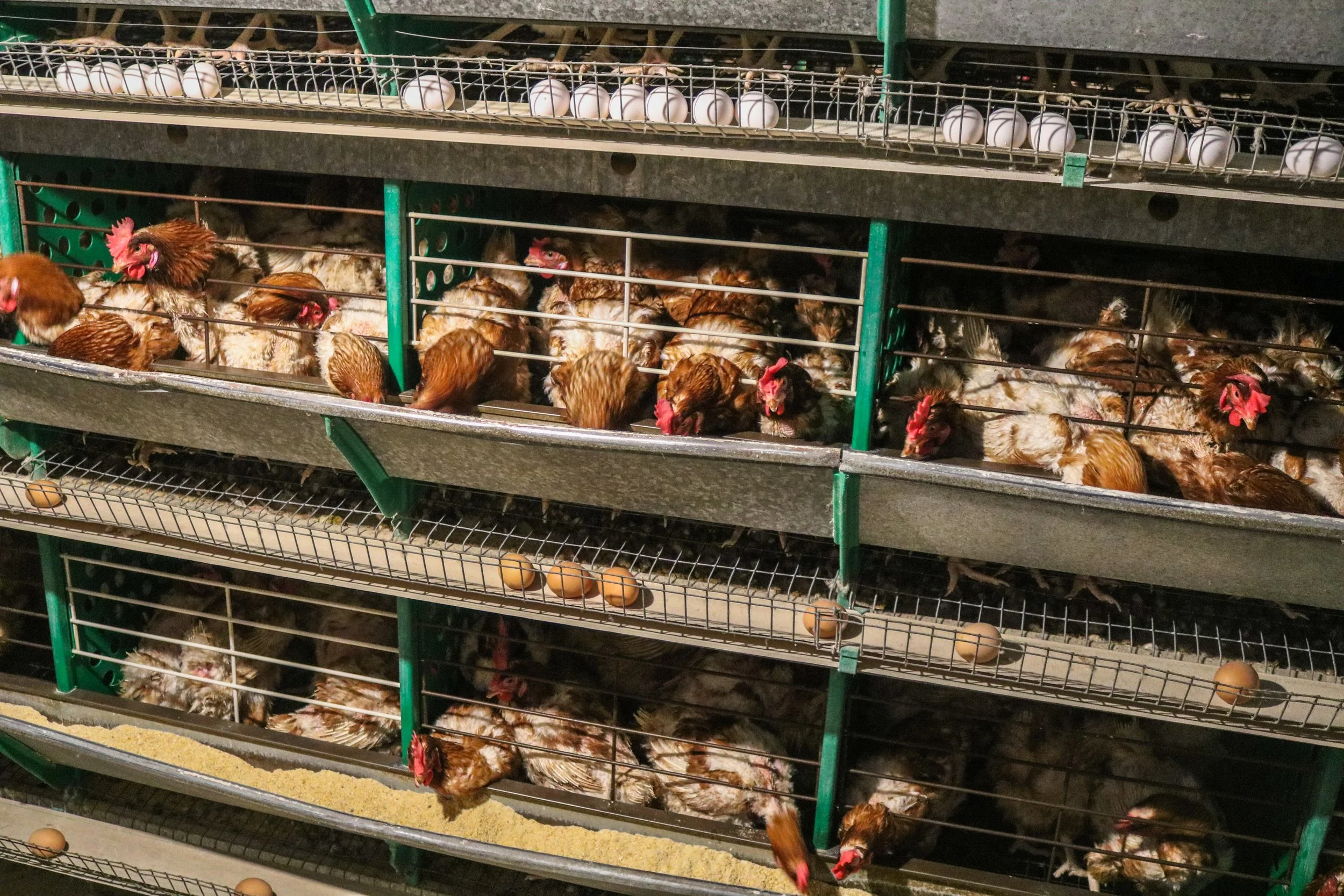
Hens in cages in an egg farm in Chile
New Evidence from Colombia
A 2026 study in Colombia, funded by the Tiny Beam Fund and supported by Sinergia Animal, found no significant differences between caged and cage-free systems in the presence of Salmonella or antimicrobial residues in eggs.
The findings add to growing evidence suggesting that food safety performance depends primarily on farm management rather than the housing system itself.
Additional Studies Supported by tiny beam fund and Sinergia Animal
Additional research funded by the Tiny Beam Fund and supported by Sinergia Animal in Argentina, Chile, and Indonesia has also contributed to the growing scientific discussion on food safety in egg production systems.
In Argentina, a 2025 study conducted by the National Institute of Agricultural Technology (INTA) found no Salmonella contamination either on the shell or inside cage-free eggs. Although some farms showed elevated levels of enterobacteria, researchers noted that these cases could be addressed through improved biosecurity measures.
In Chile, a 2023 study found no significant differences in Salmonella prevalence across cage, cage-free, and free-range systems. The study also highlighted the broader challenge of antibiotic-resistant bacteria across egg production systems.
Meanwhile, research in Indonesia detected antibiotic-resistant Salmonella in supermarket caged eggs, including multidrug-resistant strains, reinforcing the importance of responsible antibiotic use and robust food safety controls across the industry.
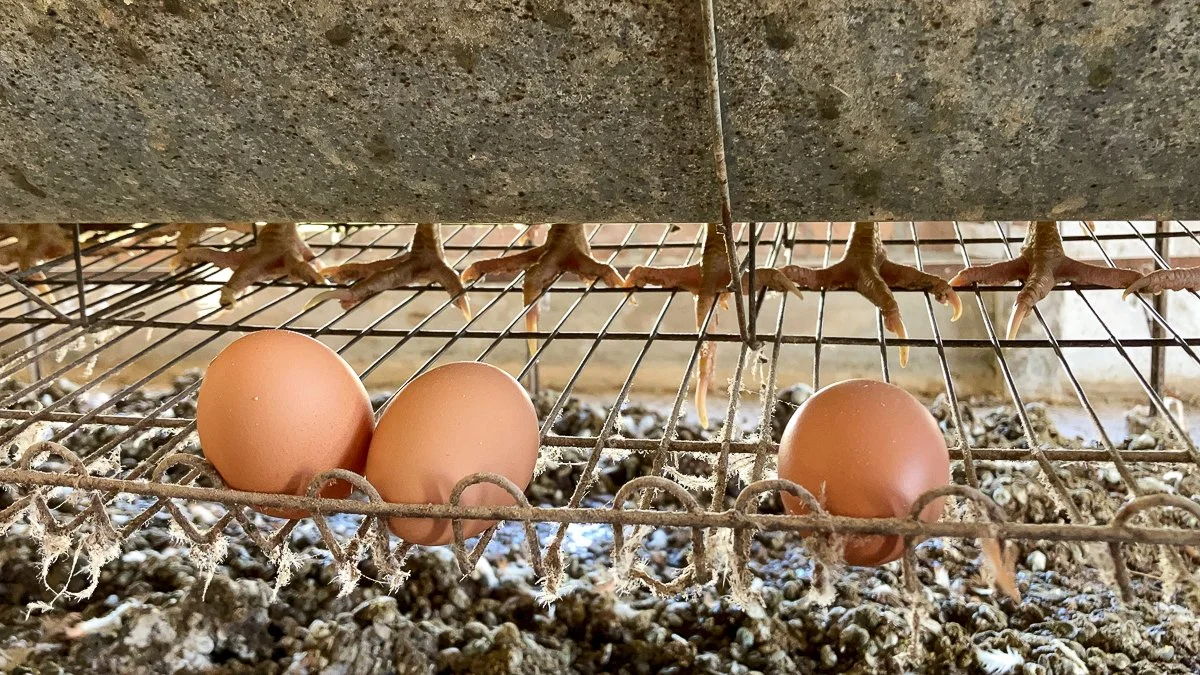
Eggs from hens in cages
A Growing Scientific Consensus
While scientific discussion on Salmonella and housing systems is still evolving, recent evidence suggests that cage-free systems can achieve food safety outcomes comparable to, and in some cases better than, those of conventional cage systems.
It appears highly unlikely that moving from conventional cages to cage-free systems will increase Salmonella infections and shedding in laying hen flocks. According to the authors, factors such as biosecurity, vaccination, and the farmer's professional skills are of utmost importance in minimizing Salmonella levels in laying hen flocks. Likewise, Salmonella occurrence in laying hen flocks is multifactorial, and many risk factors are largely related to management practices and are correctable.
Across studies, one message remains consistent: strong biosecurity, hygiene, vaccination, and management practices are the key factors for reducing contamination risks and improving food safety in egg production.